
AMFA Glycoligands: Harnessing M6PR for Targeted Therapeutic Delivery
The mannose 6‑phosphate receptor (M6PR) is a ubiquitously expressed endocytic receptor that mediates cellular internalization and lysosomal trafficking.
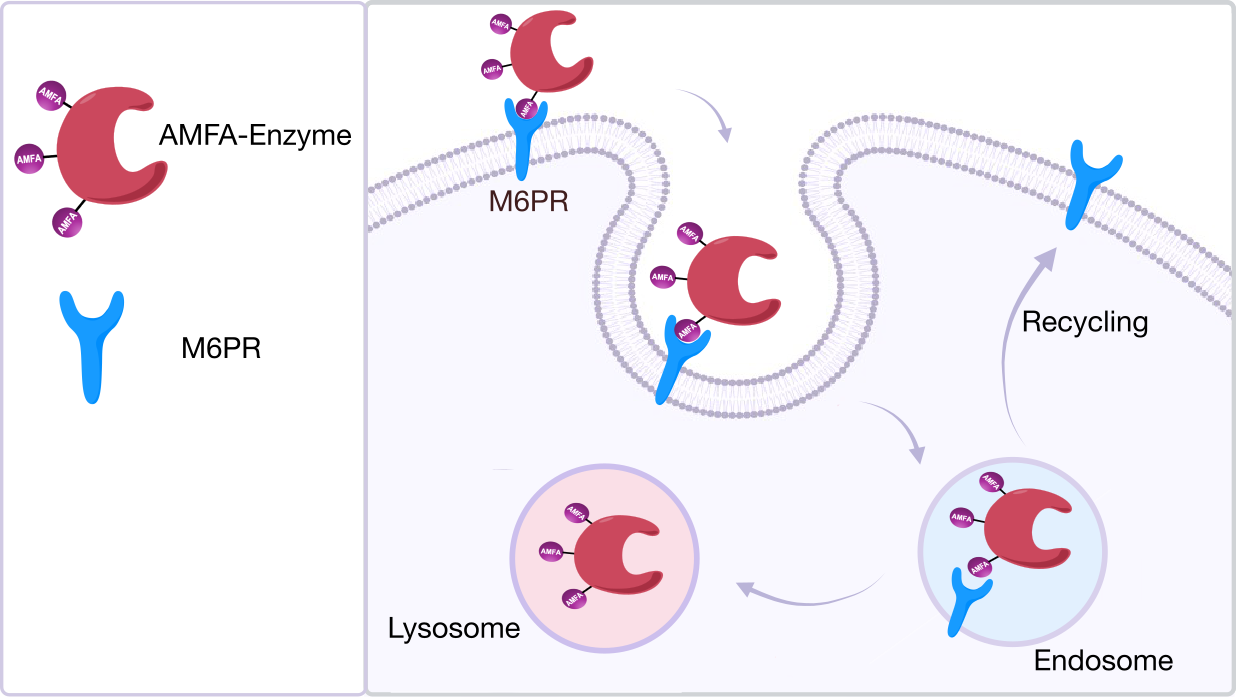
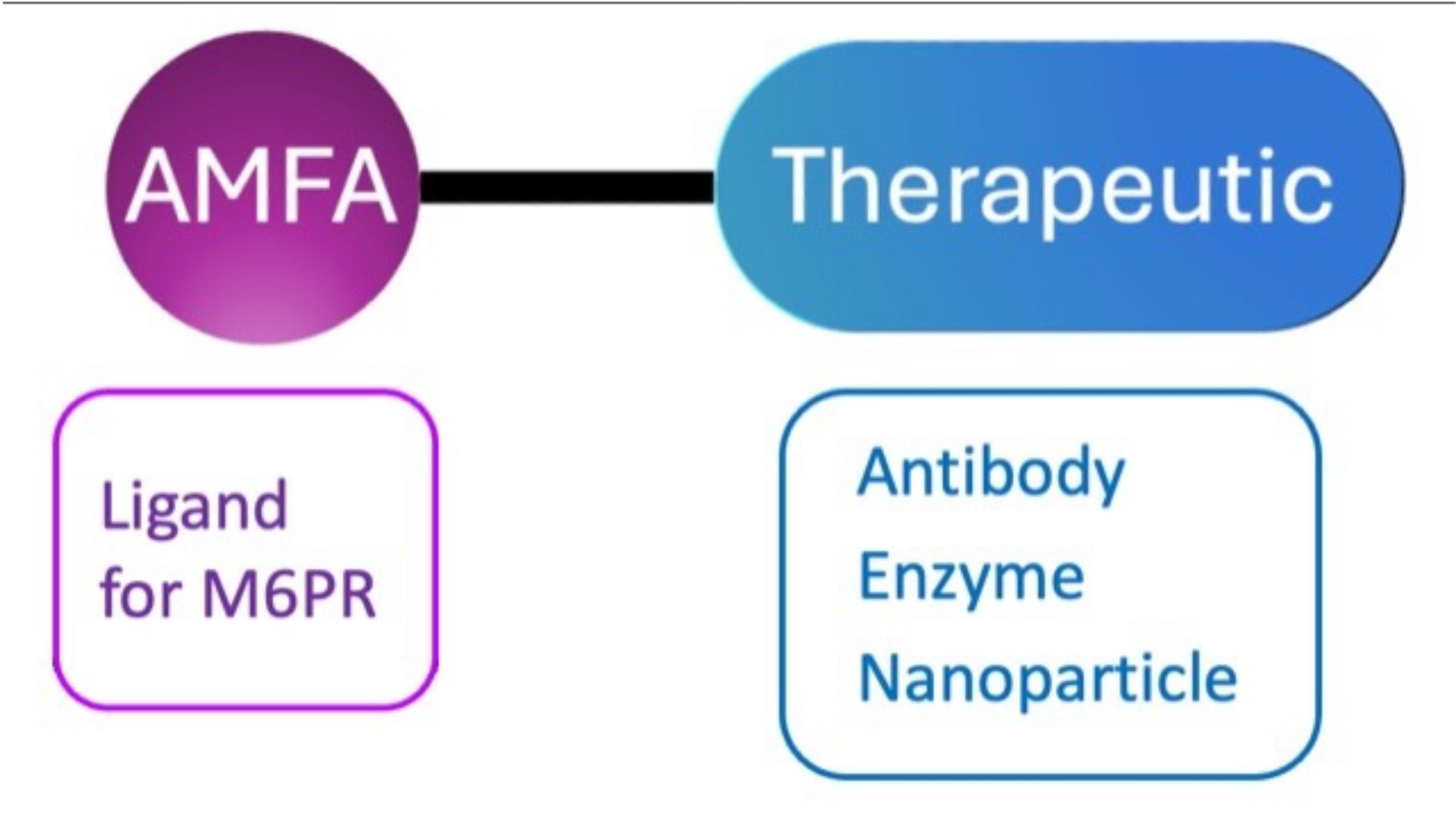
AMFA therapeutics are composed of an AMFA ligand conjugated to a therapeutic cargo such as an antibody, an enzyme, or a nanoparticle, and are designed to harness the natural M6PR trafficking pathway. This enables targeted delivery of the cargo into endosomes and subsequently lysosomes, where disease-related molecules can be degraded or activated.
Therapeutic Antibodies as First‑in‑Class Targeted Degraders
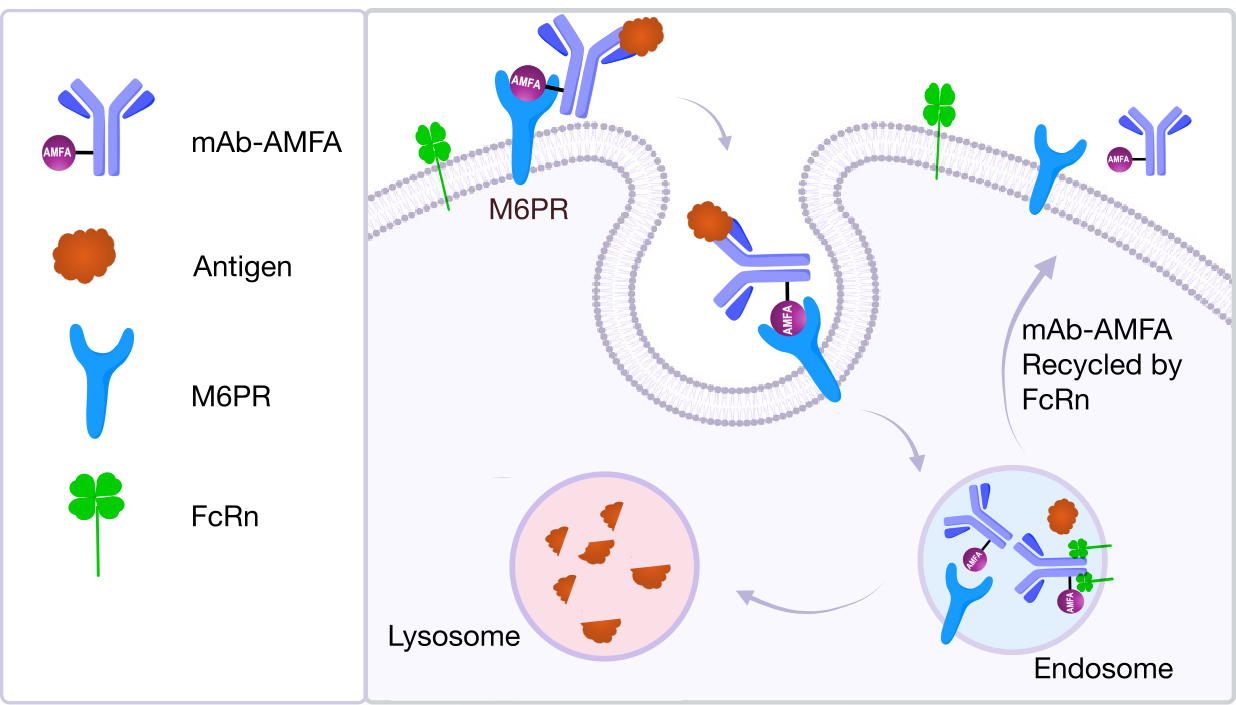
NanoMedSyn’s AMFA technology enables the engineering of therapeutic antibodies (mAb-AMFA), designed to allow the degradation of soluble or membrane pathogenic antigens instead of merely neutralizing them. This approach transforms classical antibodies into performing tools for Targeted Protein Degradation (TPD) using a unique M6PR based mechanism (1, 2 & 3).
Our glycovector technology allows for:
- mAb AMFAs acquire a higher cellular uptake.
- mAb AMFAs are capable of delivering their bound pathogenic antigens to lysosomes for degradation.
- mAb AMFAs are recycled back to the extracellular environment through the FcRn receptor, which is responsible for antibody recycling, thus ensuring a prolonged half life.
- mAb AMFAs retain all the desirable features of standard antibodies (recycling, immunogenicity, ADCC, etc.) and are compatible with standard manufacturing processes.
This new class of antibodies is relevant for the treatment of autoimmune, inflammatory, and oncology indications.
Nanoparticles for Precision Delivery
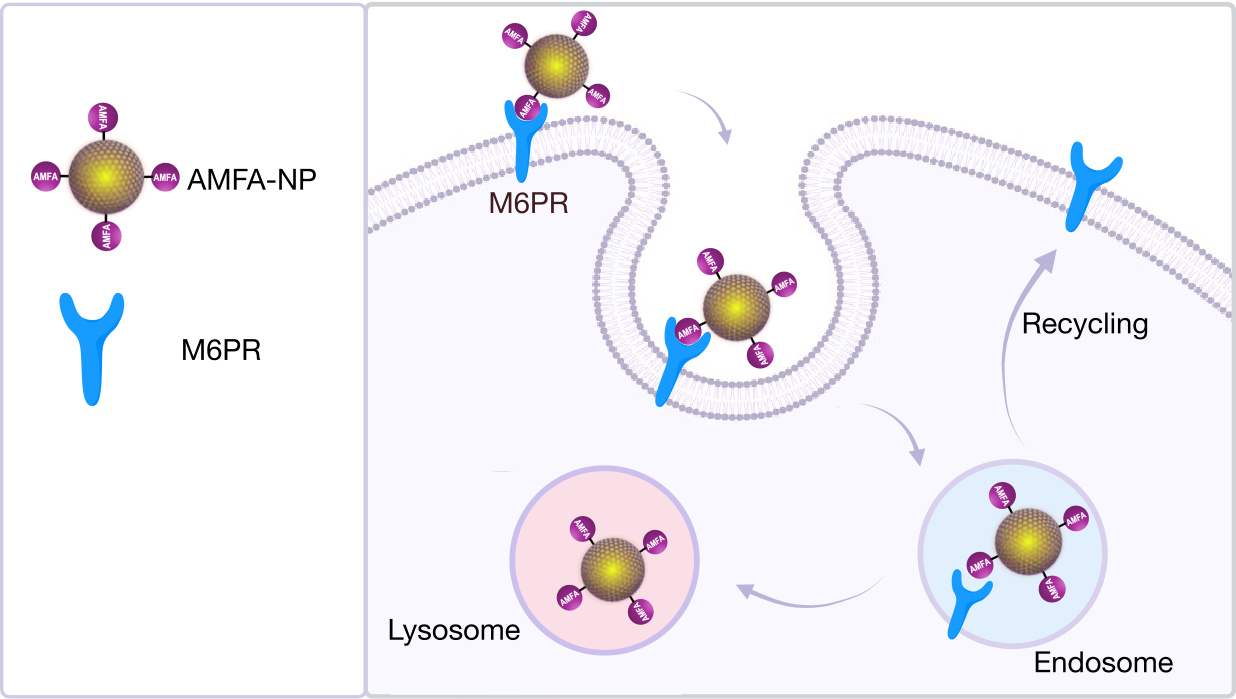
Our technology enables therapeutic nanoparticles (AMFA-NP) to achieve:
- Broader tissue distribution beyond the liver.
- Improved cellular uptake and greater therapeutic efficacy, especially in M6PR-overexpressing tissues within certain cancers such as prostate cancer and rhabdomyosarcoma (4, 5).
- Efficient delivery of mRNA, RNA, enzymes, and biologics.
Enhanced Enzyme Replacement Therapy (ERT)
AMFA‑engineered enzymes (AMFA-Enzyme) achieve:
- Improved lysosomal targeting.
- Broader tissue penetration beyond the liver.
- Increased stability and a longer-lasting therapeutic effect.
AMFA mediated lysosomal delivery enables next generation treatments for rare lysosomal storage disorders, including Pompe disease (6, 7 & 8). An AMFA-engineered enzyme developed for Pompe disease received Orphan Drug Designation from the EMA (9), reinforcing the therapeutic potential of this approach. Beyond Pompe disease, the improved intracellular trafficking achieved with AMFA suggests broader applicability among other lysosomal storage disorders and rare diseases (8).